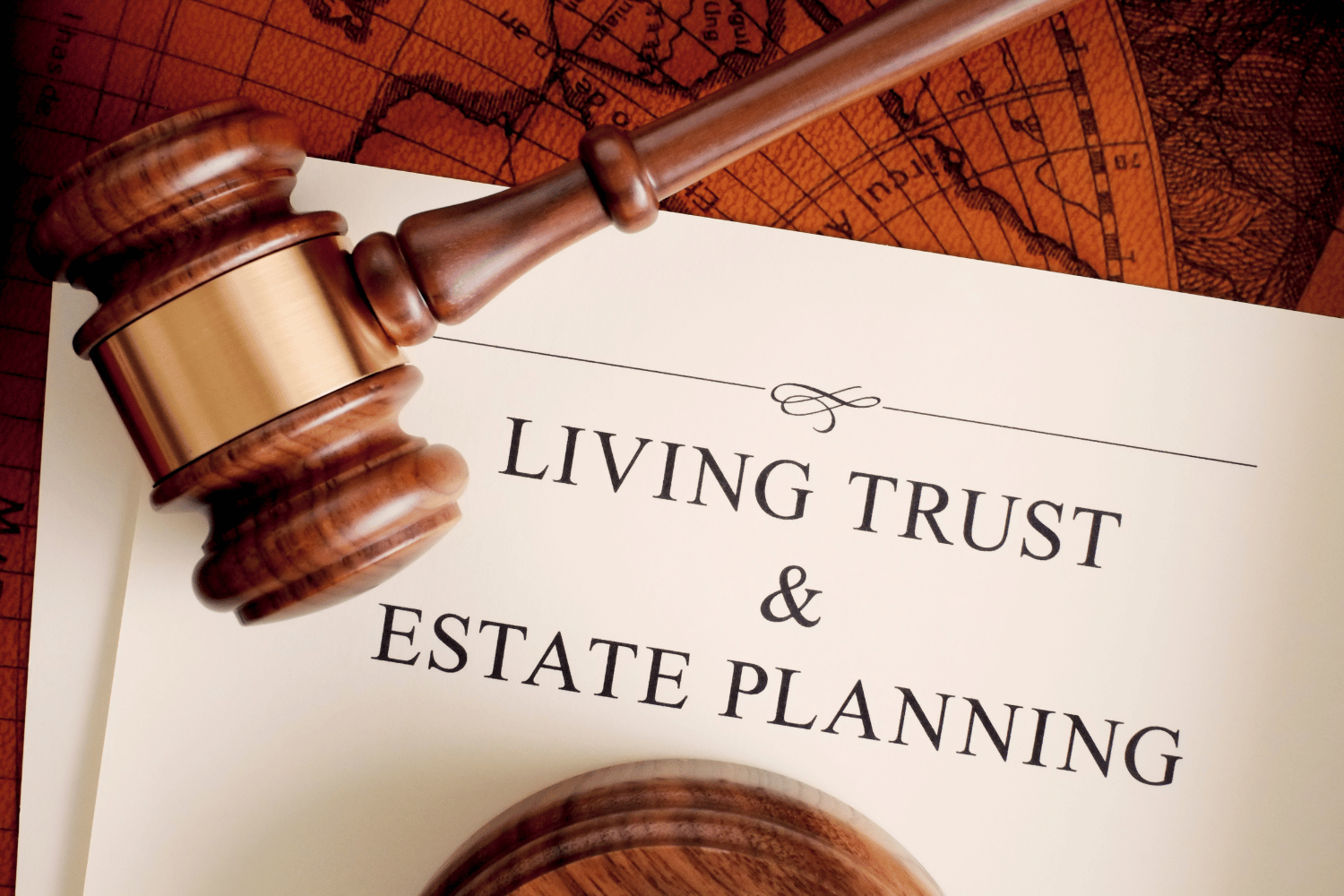
If you’re starting to think about estate planning, you’ve probably heard the terms will and trust used together. While both are important tools, they serve different purposes. Understanding the difference can help you make informed decisions about protecting your assets and planning for the future.
1. What Is a Will?
A will is a legal document that outlines how you want your assets distributed after your death. It can also:
- Name a personal representative to handle your estate
- Nominate guardians for minor children
- Provide instructions for specific property or assets
In most cases, a will goes through probate, which is the court-supervised process of administering your estate. If minor children are named as beneficiaries, a will may also include trust components to manage those assets.
2. What Is a Trust?
A trust is a legal arrangement where assets are placed into the trust and managed by a trustee for the benefit of your chosen beneficiaries.
A trust can:
- Hold and manage assets during your lifetime
- Distribute assets after your passing
- Help avoid probate when properly funded
Many individuals use revocable living trusts as part of their estate plan to reduce court involvement and simplify the process for loved ones.
3. Trusts Usually Involve More Upfront Planning
Creating a trust typically requires more work at the beginning of the estate planning process because assets must be transferred into the trust.
However, this upfront effort can simplify administration later, reduce delays for beneficiaries, and help avoid probate.
4. Wills Are Often More Straightforward Upfront
For many people, a will is a practical and effective option. Wills are generally easier to create initially and less complex to set up.
However, assets distributed through a will typically still go through probate after death.
5. One Is Not Automatically “Better” Than the Other
Both wills and trusts are valuable estate planning tools. The right approach depends on your assets, your family situation, and your long-term goals.
Estate planning is not just about documents—it’s about making things easier for the people you care about and creating a clear plan for the future.
Create a Plan That Works for You
Every situation is different, and the best estate plan is one tailored to your specific needs.
Freeman & Johnson Law Office is here to help you understand your options and create an estate plan that fits your needs.